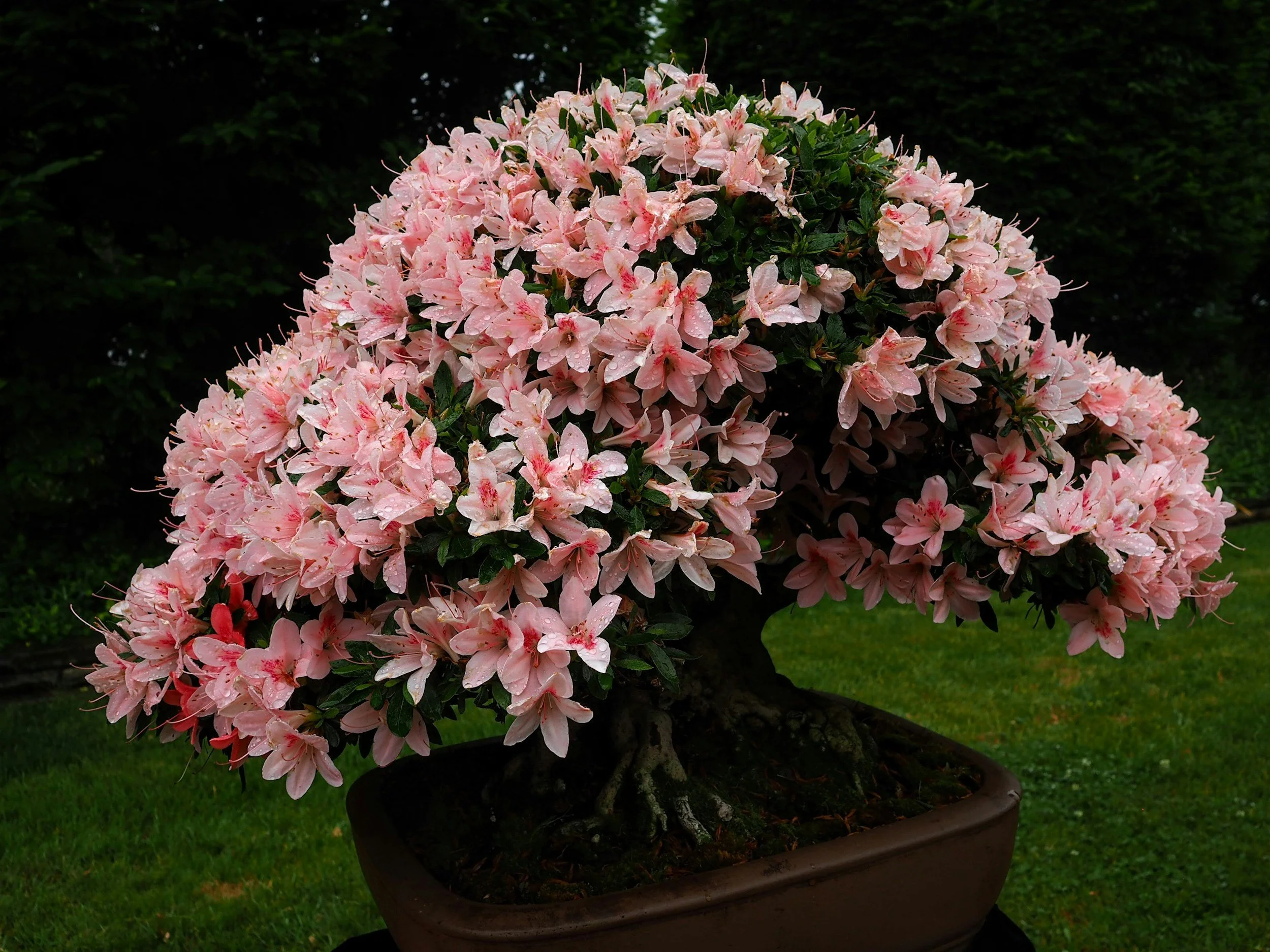
These are our main Bonsai plants
Azalea Bonsai
Azalea bonsai are admired for their vibrant seasonal blooms and delicate branching structure. With proper care, they can flower beautifully year after year and become one of the most rewarding bonsai varieties to own.
Light
Azaleas prefer bright outdoor conditions with gentle morning sunlight and filtered afternoon shade. Too much harsh afternoon sun may scorch leaves and dry the soil too quickly, especially during warmer months.
Water
Azaleas require consistently moist soil and are highly sensitive to drying out completely. Water thoroughly until excess water drains from the bottom of the pot. Never allow the root ball to remain bone dry.
Humidity & Climate
Azaleas appreciate cooler temperatures, fresh airflow, and moderate humidity. Protect from extreme afternoon heat and hard frost.
Soil
Use acidic, well-draining bonsai soil formulated for azaleas or rhododendrons.
Fertilizer
Feed lightly during spring and summer with fertilizer designed for acid-loving plants.
Pruning
Prune after blooming to encourage compact branching and future flower production.
Special Characteristics
Dramatic seasonal flowers
Fine branching structure
Elegant miniature flowering display
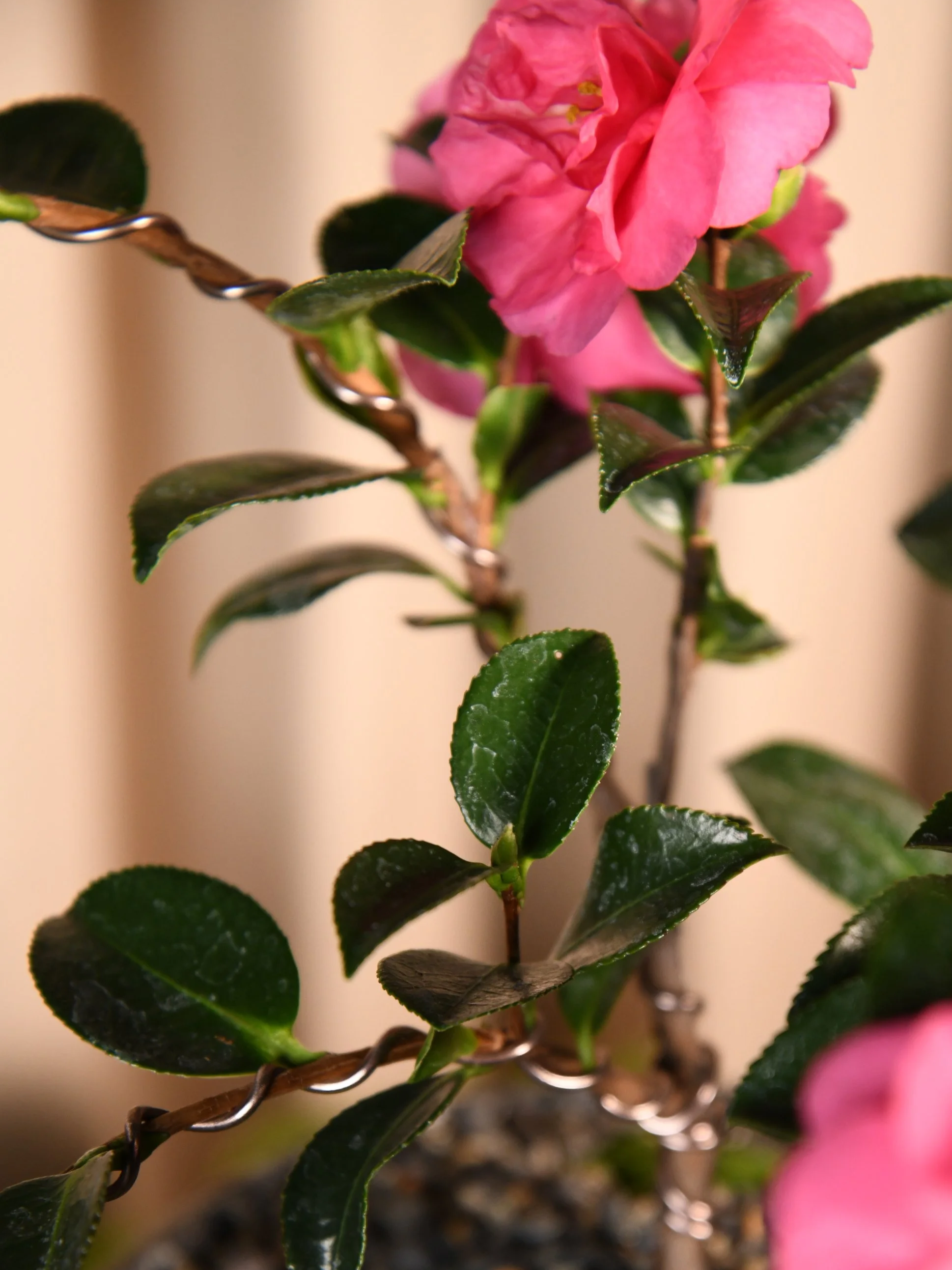
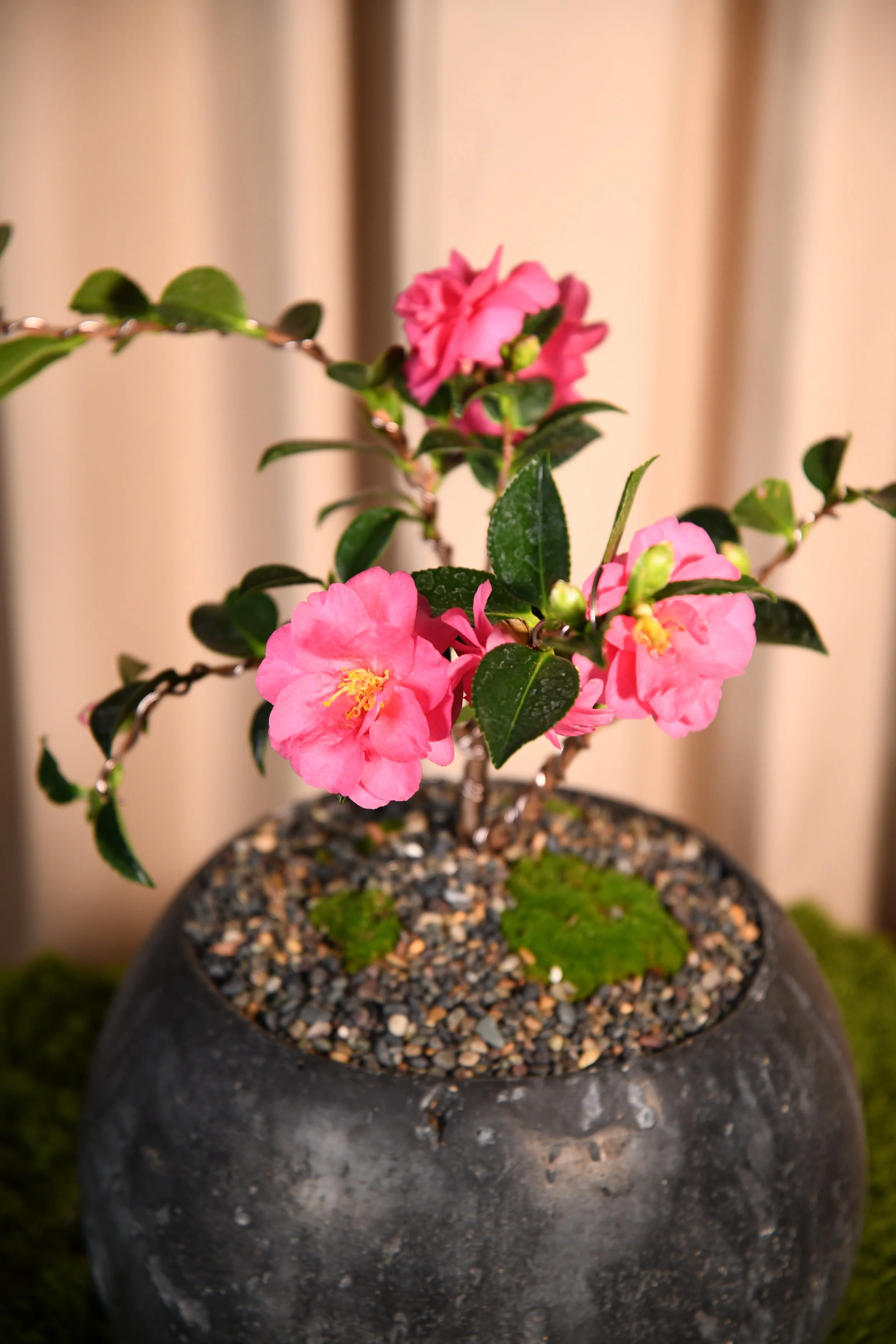
Camellia Bonsai
Camellia bonsai are prized for their glossy evergreen foliage and elegant rose-like flowers. Their refined appearance makes them one of the most sophisticated flowering bonsai varieties.
Light
Camellias prefer bright indirect light or partial outdoor shade. Gentle morning sun is beneficial while harsh afternoon heat should be avoided.
Water
Keep soil evenly moist but never waterlogged. Water deeply whenever the surface begins to feel slightly dry.
Humidity & Airflow
Moderate humidity and good air circulation are important for healthy foliage and flower development.
Soil
Requires slightly acidic, nutrient-rich, well-draining soil.
Fertilizer
Feed during active growth using balanced fertilizer suitable for flowering plants.
Pruning
Prune lightly after flowering to preserve future flower buds and maintain elegant structure.
Special Characteristics
Luxurious glossy foliage
Elegant blooms
Evergreen beauty year-round
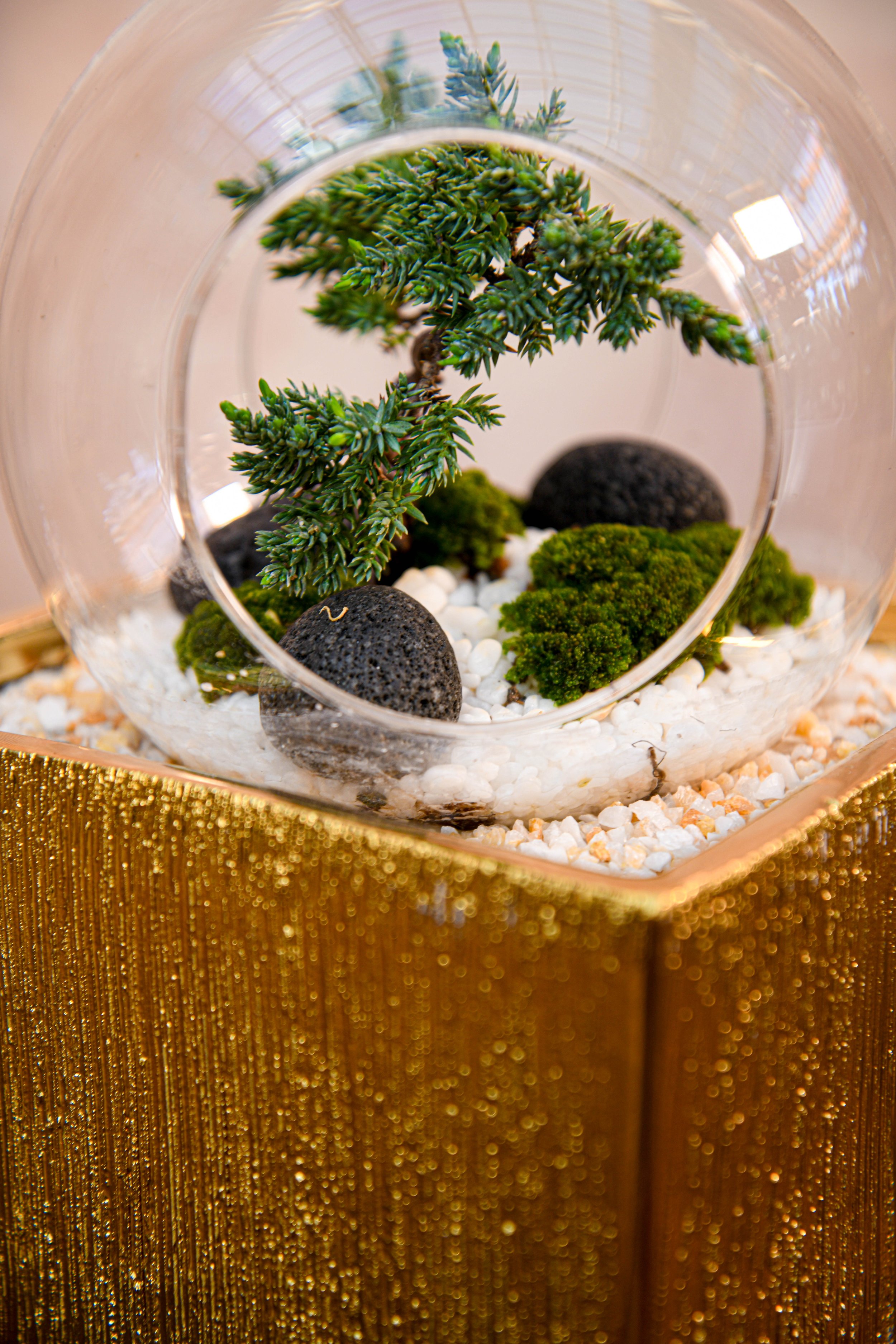
Juniper Bonsai
Juniper bonsai are among the most classic and recognizable bonsai trees. Their sculptural movement and evergreen foliage make them ideal for traditional bonsai styling.
Light
Junipers require full outdoor sunlight for long-term health. Indoor placement is not recommended except temporarily.
Water
Allow the upper layer of soil to slightly dry between watering, then water thoroughly.
Airflow & Climate
Junipers thrive outdoors with fresh air circulation and seasonal temperature variation.
Soil
Requires fast-draining bonsai soil to prevent root rot.
Fertilizer
Feed regularly during spring and summer with balanced bonsai fertilizer.
Pruning
Regular trimming helps maintain compact foliage pads and elegant branch structure.
Special Characteristics
Classic bonsai appearance
Evergreen foliage year-round
Symbolizes strength and endurance
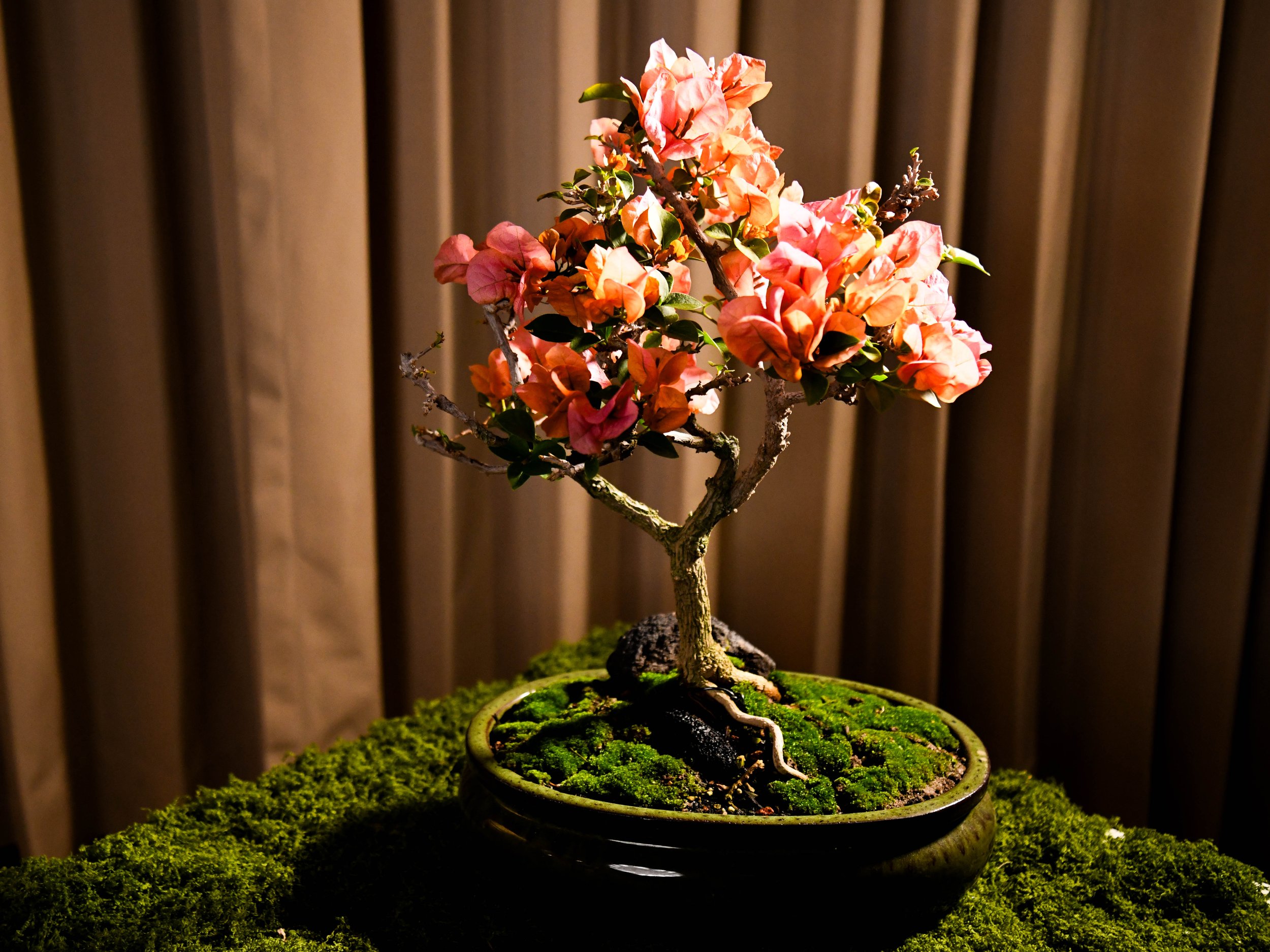
Bougainvillea Bonsai
Bougainvillea bonsai are admired for their vibrant papery blooms, twisting trunks, and dramatic tropical character. Known for their bold color and vigorous growth, these bonsai create stunning flowering displays when given proper sunlight and warmth.
Bougainvillea thrive best in bright outdoor environments and are especially popular in warmer climates like California.
Light
Bougainvillea require abundant sunlight to bloom properly.
Ideal conditions:
full sun
at least 5–6 hours of direct light daily
warm outdoor placement
Insufficient sunlight may reduce flowering and create weak growth.
Water
Allow the soil to dry slightly between watering.
Water thoroughly until excess water drains from the bottom of the pot, then allow partial drying before watering again.
Avoid:
constantly soggy soil
poor drainage
overwatering
Bougainvillea generally bloom better when slightly drier rather than overly wet.
Humidity & Temperature
Bougainvillea prefer warm temperatures and thrive in heat.
Ideal temperature range:
65°F–95°F
Protect from:
frost
freezing temperatures
prolonged cold exposure
Soil
Use fast-draining bonsai soil to maintain healthy roots and prevent root rot.
Fertilizer
Feed regularly during active growing and blooming seasons using balanced flowering fertilizer.
Avoid excessive nitrogen, which may encourage leaves instead of flowers.
Pruning & Maintenance
Frequent pruning helps maintain shape and encourages fuller branching and flowering.
Prune after flowering cycles to preserve blooms while shaping the bonsai.
Bougainvillea naturally develop:
twisting trunks
dramatic branch movement
textured bark with age
Wear gloves when pruning, as branches may contain thorns.
Repotting
Repot carefully every few years during active growth seasons. Bougainvillea roots can be sensitive to excessive disturbance.
Seasonal Notes
Flowering often increases during warmer months with strong sunlight exposure.
Temporary leaf drop may occur if:
lighting changes suddenly
temperatures fluctuate
watering becomes inconsistent
Special Characteristics
Vibrant colorful blooms
Tropical sculptural appearance
Heat-loving flowering bonsai
Excellent for sunny patios and gardens
Symbolizes passion, beauty, and resilience